The Complete Blueprint to Exterior Storefront Signage: Boosting Walk-In Foot Traffic Through Strategic Visual Design
In today’s competitive retail environment, physical store locations face an uphill battle capturing the visual attention of busy consumers. A storefront sign is often the single most important physical touchpoint between a local business and potential customers passing by on foot or in vehicles. Designing exterior displays requires balancing visibility, city zoning codes, illumination choices, structural safety, and brand alignment. When executed properly, high-visibility signage functions as an active, round-the-clock driver of physical site visits and brand recognition.
Understanding architectural scale is critical when planning storefront installations. Factors such as distance from the road, traffic speed, ambient lighting conditions, and surrounding architectural finishes determine how legible a sign remains during peak hours. For business owners evaluating custom sign manufacturing and dimensional lettering options, consulting specialized resources like AlphaGraphics Conroe offers insights into material durability and illuminated channel letter designs that meet local municipal compliance standards.
Understanding Key Types of Building Signage
Selecting the proper signage style depends on building architecture, lease terms, visual environment, and project budgets. Exterior signs fall into several primary structural categories.
Channel Letters
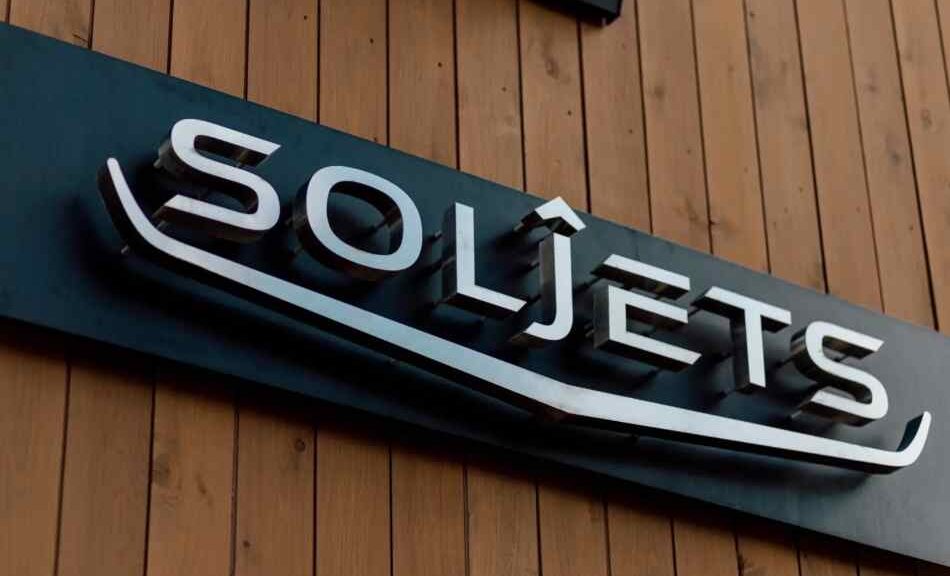
Channel letters are custom-made three-dimensional graphic sign elements fabricated from aluminum, acrylic, and internal light sources.
- Standard Front-Lit Channel Letters: The most popular design option features aluminum backs and sides with a translucent acrylic face through which internal lighting shines outward.
- Halo-Lit / Reverse-Lit Channel Letters: Light projects backward toward the building facade rather than through the face, producing a subtle halo effect behind opaque metal characters.
- Open-Face Channel Letters: These feature clear fronts or open faces where internal lighting elements, such as exposed LED tubing, remain visible for a vintage visual look.
Cabinet Signs (Box Signs)
Cabinet signs enclose light sources inside a single self-contained structure. They display copy across a flat or thermoformed plastic face panel. While less customized than individual channel letters, box signs provide durable, cost-effective coverage for simple logos and bold typography.
Non-Illuminated Dimensional Letters
Fabricated from metal, high-density foam, or acrylic, dimensional lettering provides depth without integrated lighting elements. These installations rely entirely on external floodlights or ambient light.
Illumination Technologies: LED vs. Traditional Lighting
Lighting choices impact both long-term operating costs and night-time visual performance. While traditional neon tubes and fluorescent bulbs were once standard, modern commercial signage relies almost entirely on light-emitting diodes (LEDs).
+————————–+———————–+———————–+
| Feature | LED Systems | Traditional Neon |
+————————–+———————–+———————–+
| Energy Consumption | Up to 80% Less | High Usage |
| Lifespan | 50,000+ Hours | 10,000 – 25,000 Hours |
| Maintenance Frequency | Low | High (Glass Repair) |
| Cold-Weather Performance | Exceptional | Slow Warm-Up Times |
+————————–+———————–+———————–+
Advantages of LED Lighting Systems
- Lower Power Demands: Low-voltage LED modules reduce energy draw significantly compared to high-voltage neon transformers.
- Reduced Maintenance: LEDs lack fragile glass tubes and filament components, making them resilient against wind vibration and physical impacts.
- Consistent Brightness: Modern LED arrays project uniform light distribution without the flickering or cold-weather dimming common in legacy lighting systems.
Planning Legibility, Scale, and Viewing Distance
A sign that looks large in a showroom can quickly disappear when mounted high on a multi-story building facade. Calculating appropriate letter height based on viewing distance and vehicle travel speed ensures readability.
Rules of Thumb for Letter Sizing
- 10-to-1 Scale Rule: Every inch of letter height provides roughly 10 feet of clear legibility during daylight hours.
- Traffic Speed Adjustments: For highways where vehicles move at 45 mph or faster, letter height should increase by at least 25% to allow driver reaction time.
- Color Contrast: High contrast between text and background—such as white letters on dark masonry or dark lettering on light siding—greatly improves instant recognition.
Navigating Permits, Codes, and Installation Requirements
Installing exterior building signage requires navigating legal and architectural requirements. Skipping preliminary checks often leads to project delays, fines, or costly retrofits.
- Review Lease Agreements: Property owners often enforce strict guidelines regarding sign size, mounting types, mounting brackets, and permitted illumination styles.
- Obtain Municipal Permits: Local building departments regulate maximum square footage, setback distances, and electrical safety standards.
- Conduct Structural Inspections: Building facades must support the structural load of channel letters, raceways, and internal wiring assemblies.
- Schedule Certified Electrical Hookups: Final electrical connections must meet regional electrical safety regulations and pass local building inspections.