Why Physical Print Still Drives Real Results in a Digital World
In a digital landscape dominated by email inboxes, pop-up ads, and social media feeds, it is easy to assume that paper has lost its place. Most marketers pour their entire budgets into screens, believing that physical collateral is a relic of the past. Yet, business owners often notice a strange paradox: digital messages vanish into archives in seconds, while a well-crafted piece of paper sits on a desk or counter for weeks. Understanding how tactile media influences human behavior helps explain why physical communication remains a vital tool for lasting engagement.
Physical media works differently in the human brain than digital media does. When you hold a brochure, a heavy business card, or a structured booklet, your brain processes that information through spatial and tactile cues. Studies in consumer behavior consistently show that physical print requires less cognitive effort to process and generates higher recall rates over time. For everyday operations, businesses often rely on professional resources like AlphaGraphics Northwest Tampa to secure items that support their day-to-day communication needs. Whether you are launching a direct mail campaign or organizing internal training manuals, physical formats build an immediate sense of legitimacy.
Understanding the Power of Tangible Engagement
When people interact with physical items, they experience a sense of ownership and permanence that pixels simply cannot replicate. Think about how you treat your own mail. Junk emails are deleted with a single click, but physical postcards or catalogs often get placed on a kitchen counter or office desk where they are seen repeatedly.
- Higher retention: Physical pieces remain present in physical spaces, offering ongoing brand visibility without requiring another click or download.
- Emotional connection: High-quality paper stock, texture, and finishing communicate quality and care before a single word is even read.
- Focused attention: Reading a printed document does not come with notifications, pop-up interruptions, or competing browser tabs.
Key Print Formats That Drive Action
Different print formats serve distinct purposes in a well-rounded communication strategy. Choosing the right format depends entirely on what you want your audience to do next.
1. Direct Mail Postcards
Postcards remain one of the most cost-effective ways to reach local audiences. Because they do not require an envelope to be opened, your core message is visible immediately upon delivery. Use bold headlines, clear offers, and a simple call to action to drive website visits or phone calls.
2. Brochures and Booklets
When you need to explain complex services or tell a detailed brand story, a multipage booklet provides structure. It organizes information logically, giving readers the time they need to absorb your offerings at their own pace.
3. Business Cards and Stationery
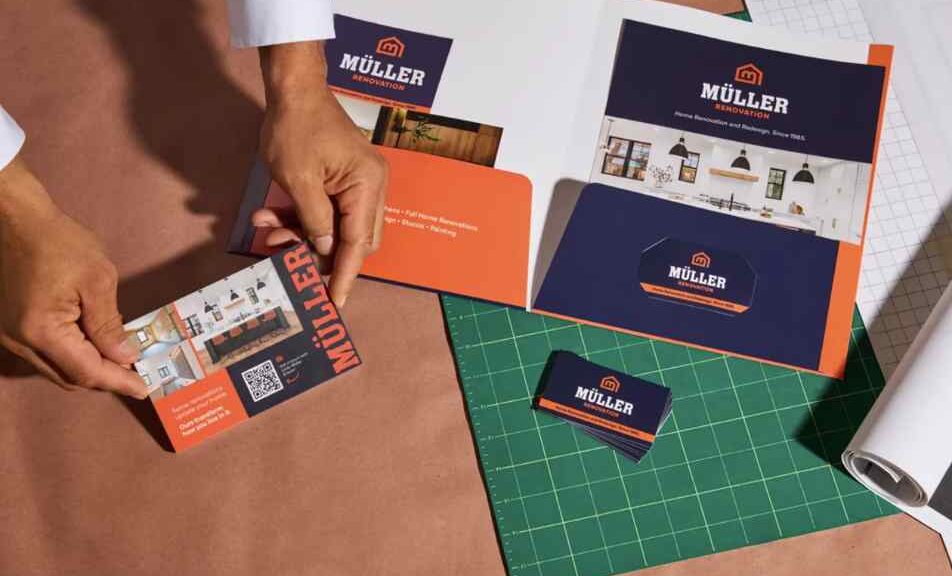
An introduction is more than just a handshake. A thick, well-designed business card leaves a permanent physical reminder of who you are and what you do, anchoring your conversation long after the meeting concludes.
Best Practices for Designing Effective Print Materials
Creating successful print collateral does not require complex design tricks. Instead, it relies on foundational rules of clarity, legibility, and purpose.
- Keep typography clean: Choose highly legible fonts and ensure there is enough contrast between your text and background colors.
- Prioritize white space: Do not crowd every square inch of the page. Letting elements breathe makes the design easier to scan.
- Include a clear call to action: Tell your reader exactly what step to take next, whether it is visiting a specific URL, scanning a QR code, or calling a phone number.
Measuring the Impact of Your Print Strategy
Unlike digital ads that offer real-time tracking dashboards, measuring print success requires intentional planning. You can easily track physical engagement by using dedicated landing page URLs, unique promotional codes, or custom phone numbers printed exclusively on specific collateral pieces. By monitoring these unique identifiers, you can accurately gauge how well your physical campaigns are performing and refine your approach for future projects. Print is not about replacing digital channels; it is about adding a tangible dimension to your communication that people can hold, trust, and remember.