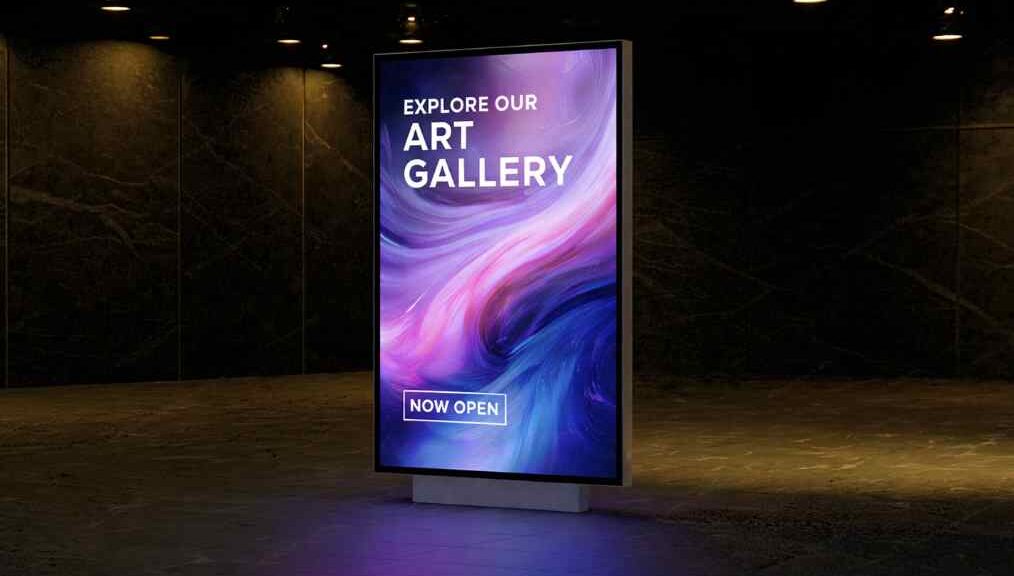
Lightboxes: The Brightest Way to Make Your Brand Stand Out
You walk into a crowded trade show or a busy retail store. Dozens of displays are fighting for attention. Most of them blend into the background. But one glows. One stops you.
That is a lightbox doing its job.
Lightboxes are illuminated display frames that backlight your graphic to create a vivid and eye-catching visual. According to POPAI (Point of Purchase Advertising International), illuminated displays increase brand recall by up to 83% compared to non-illuminated alternatives.
If you want your display to demand attention day and night, lightboxes are one of the smartest investments you can make.
What Exactly Are Lightboxes?
A lightbox is an aluminum frame with LED lights built inside it. A fabric or acrylic graphic sits in front of the lights, which shine through evenly to create a bright and seamless image.
They come in wall-mounted, freestanding, hanging, and window styles to fit almost any space.
In my experience, once a brand switches to a lightbox display, they rarely go back to a regular non-lit option.
Why Do Lightboxes Work Better Than Regular Displays?
Light Naturally Pulls Attention
Our eyes naturally move toward light and brightness. A glowing display in a room full of flat, static visuals will always get noticed first.
This is not just good design. It is human psychology working in your favor.
Work Day and Night
Regular printed displays lose visibility in low-light conditions. Lightboxes do not have that problem. Whether it is a dimly lit event hall, a nighttime storefront, or a busy airport corridor, your message stays clear and bright.
The mistake I see most often is brands spending a lot on graphic design but losing all that impact because their display simply cannot be seen well in the actual space.
Where Do Lightboxes Work Best?
Here is what actually works when you place lightboxes in the right setting:
- Retail storefronts use window lightboxes to attract foot traffic from the street, even after business hours.
- Trade shows and exhibitions benefit from large backlit walls that make your booth stand out immediately on a crowded floor.
- Airports and transit hubs need displays that communicate fast. Lightboxes do that better than anything else.
- Corporate lobbies and showrooms use them to create a polished and professional first impression.
- Restaurants and hospitality spaces use lightboxes for menus and branded displays that add atmosphere while staying easy to read.
What Should You Check Before Buying a Lightbox?
-
Even Light Coverage
Look for LED systems that spread light evenly across the full graphic. Uneven lighting creates dark spots and hot spots that make even great artwork look poor.
-
Fabric or Acrylic Face
Fabric faces offer rich color and are easy to swap when you need to update your graphic. Acrylic faces are more rigid and better suited for permanent installations.
-
Frame Size and Depth
Slim frames work well in tight spaces like retail stores and offices. Deeper frames give better light spread and suit larger format displays.
Before you order, confirm these four things:
Check that the LED system covers the full graphic area evenly. Decide between fabric and acrylic based on how often you will update the graphic. Make sure the frame fits your wall or floor space. Ask if the graphic can be swapped without tools.
Conclusion
Lightboxes are simple, powerful, and built to perform in almost every commercial environment. They improve visibility, increase brand recall, and make your display impossible to ignore.
If your current display is getting lost in the background, a lightbox will fix that fast.